Amacayacu National Natural Park

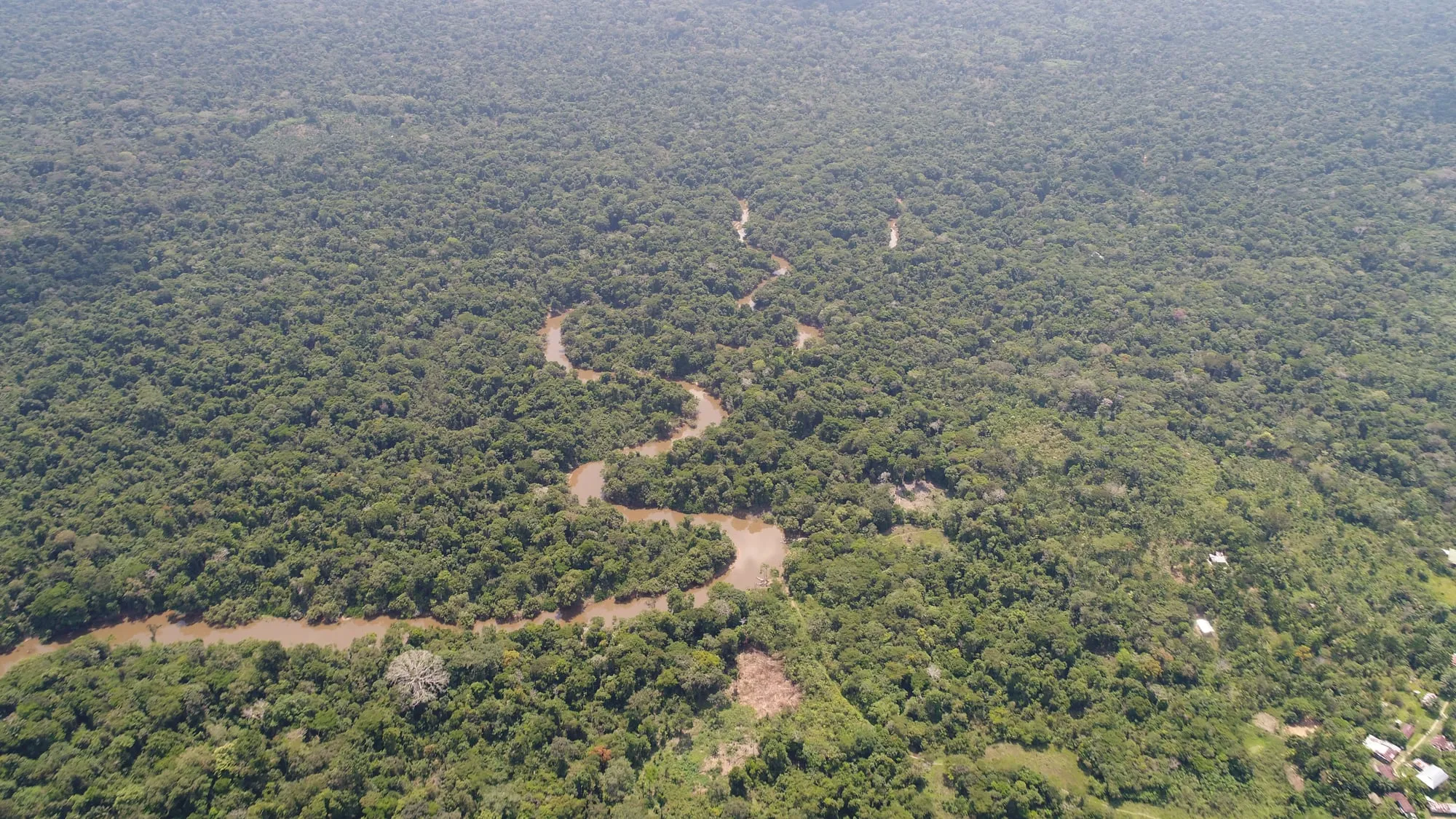
Aerial view of the rainforest crossed by a winding river

The Amazon basin corresponds to a vast depression between the Guiana Shield and the Brazilian Shield. The consolidation, metamorphism, and folding of these shields produced areas that are believed to have isolated parts of the basin during marine transgressions, giving the park area biogeographical significance. Within Amacayacu National Natural Park, there are ecosystems of tropical rainforest, floodplain forests, upland forests, swamps, marshes, oxbow lakes, and river systems representative of the Amazon rainforest.
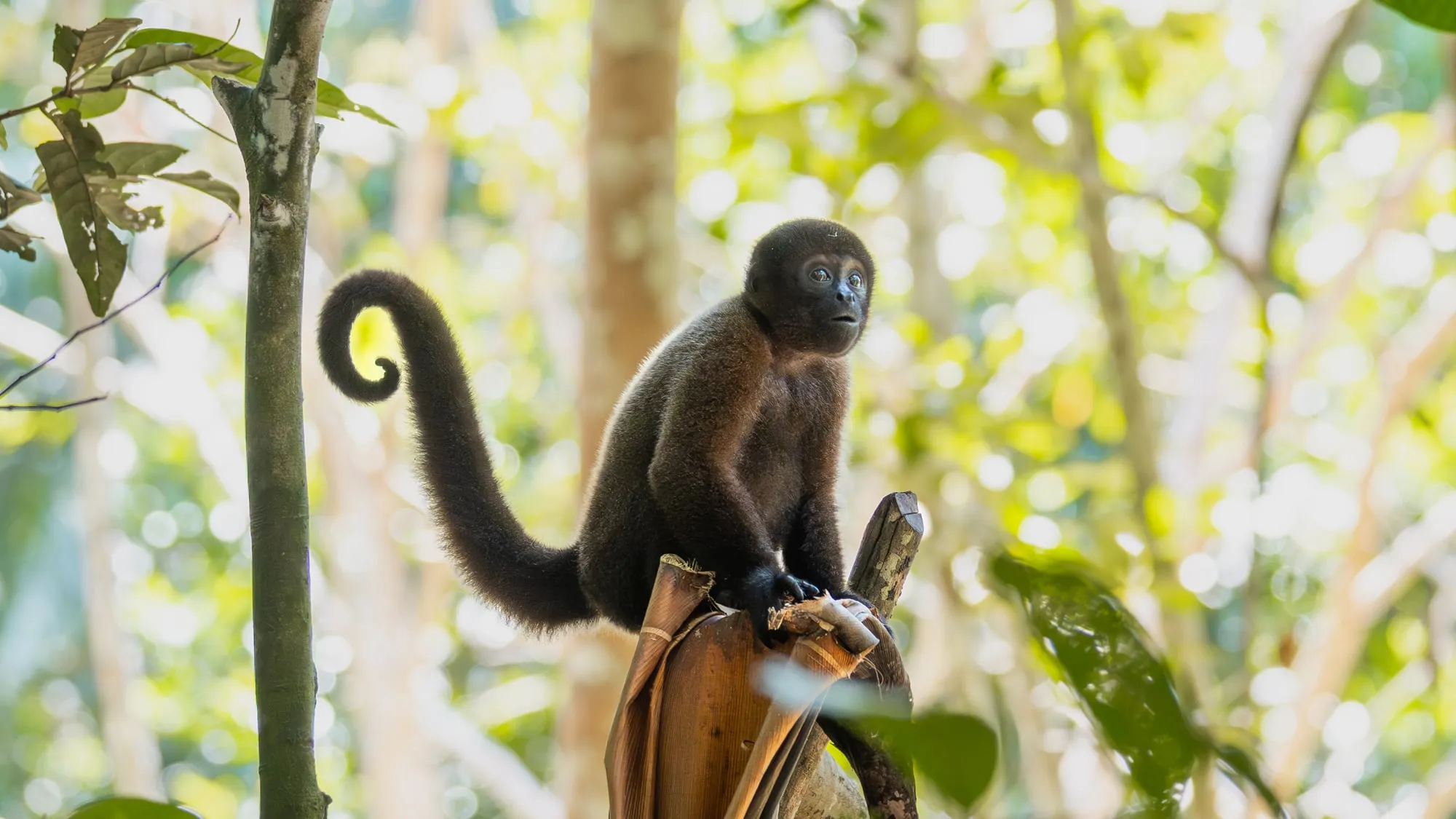
Woolly monkey sitting on a tree branch

Fauna

In the AP you can find woolly monkeys (Lagothrix lagotricha), pink dolphins (Inia geoffrensis) and multicolored tanagers (Tangara chilensis) among other animal species.

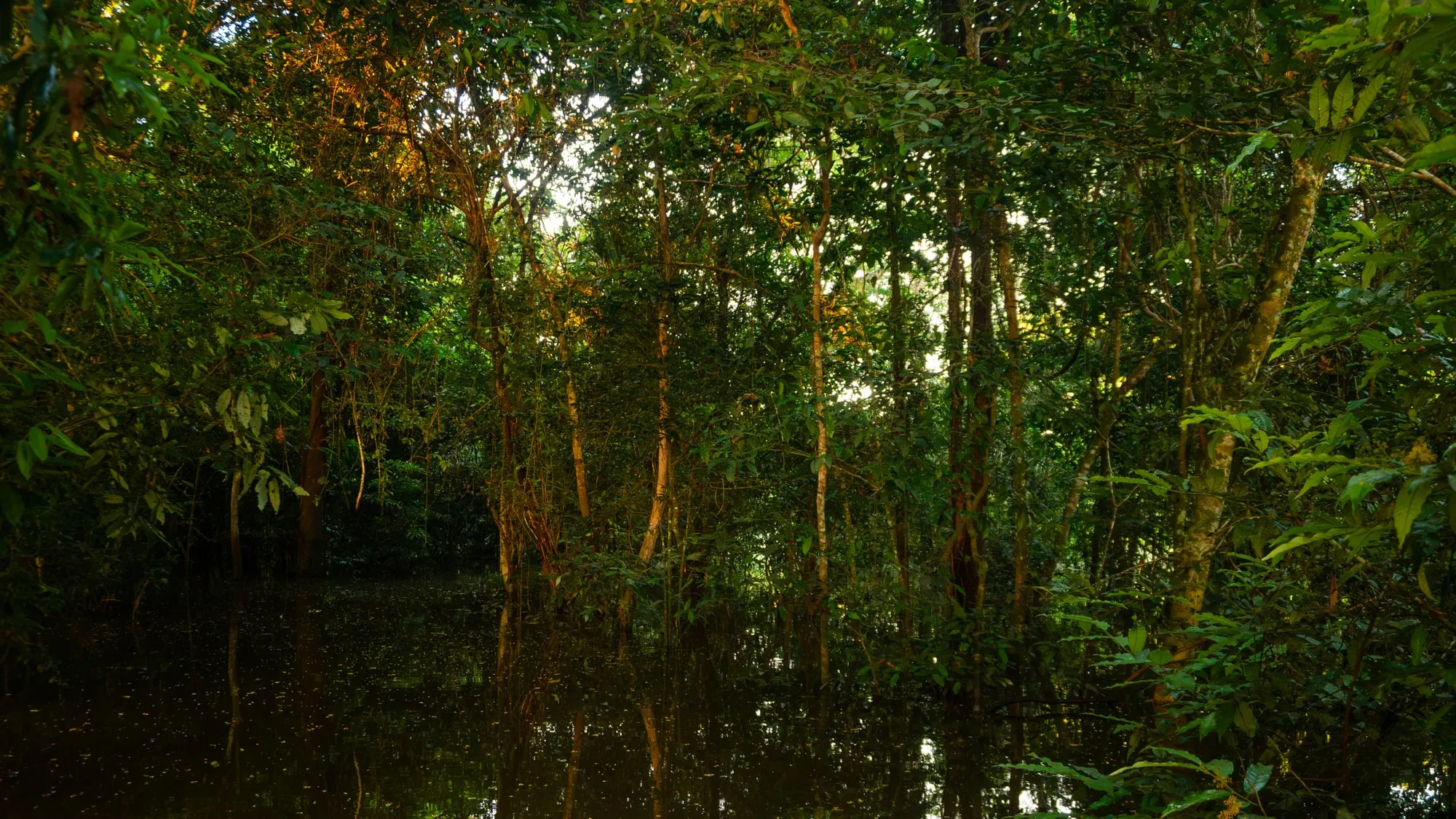
Dense flooded forest with light filtering through the trees

Flora

Among the many plant species present in the Amacayacu National Natural Park, there are trees such as the Canangucho (Mauritia flexuosa), the Ceiba (Ceiba pentandra) and the Renaco (Ficus trigona).

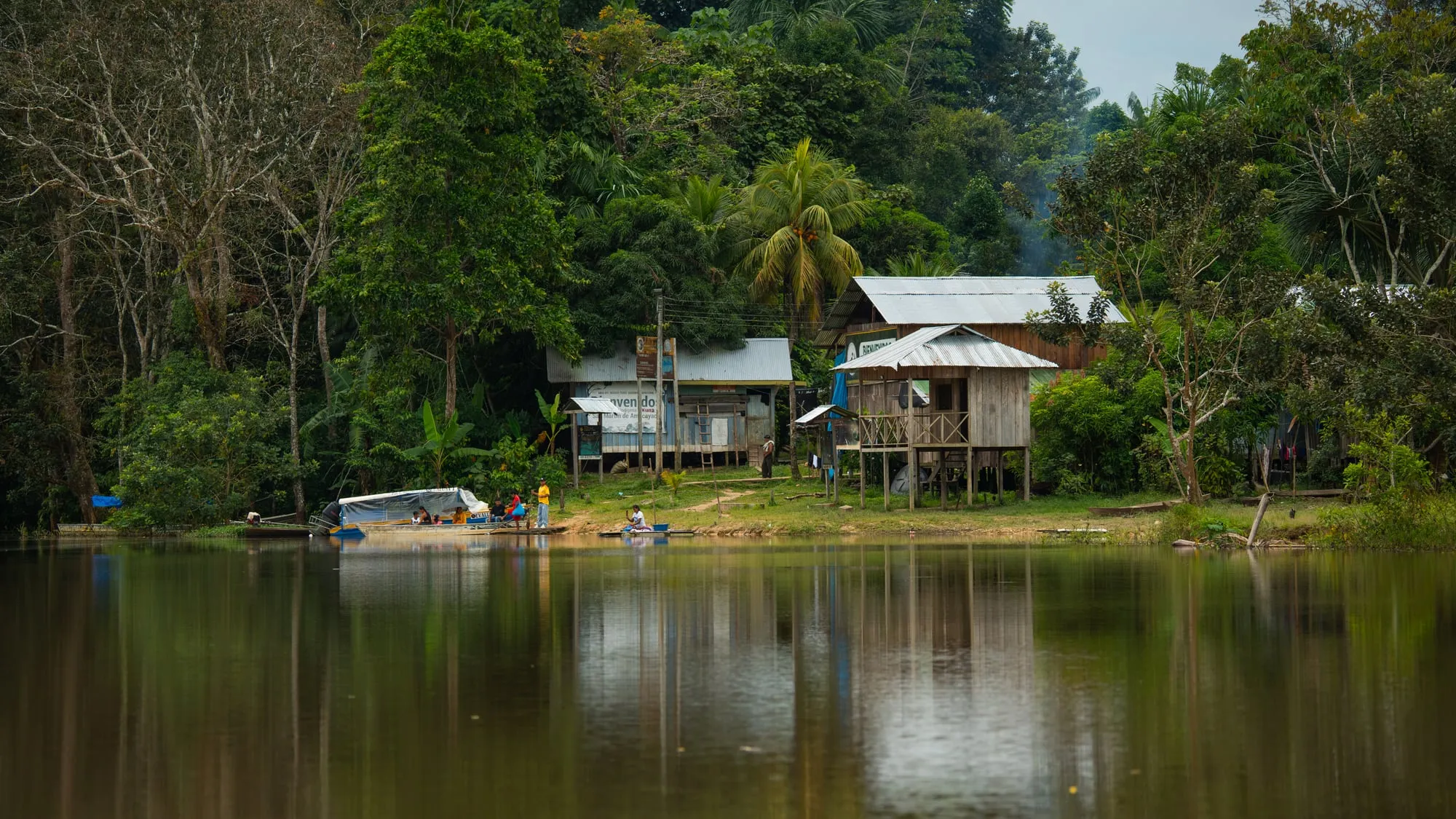
Wooden houses on the riverbank surrounded by rainforest

Climate

The area’s climate is typical of an equatorial rainforest, always humid and with frequent mists. According to records from the weather station at Vásquez Cobo Airport in Leticia, near the park, the average temperature in the area is 26.4°C, and the relative humidity is very high, with an annual average above 90%. The rainfall regime has a multi-year average precipitation of 2836 mm, with the lowest rainfall occurring in July and August, increasing in October; it decreases slightly in December and increases considerably until April. During the dry season, rainfall can exceed 150 mm per day. The number of rainy days varies, averaging 17 days in July (the dry season) and 22 in April (the wettest month) (IDEAM, 1992–2007).

Continue